
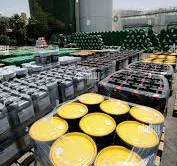

Petroleum products, being among the most valuable natural resources available in our country, encompass a range of essential products. One such product is lube oil, also known as lubricant, which plays a vital role in various industries including automotive, industrial, and mining sectors.
This feasibility study identifies a significant investment potential in the local blending of lube oil within Nigeria. The project at hand focuses on assessing the investment costs and benefits associated with establishing a Lube Oil Blending Plant in Nigeria on a small scale.
The proposed plant will boast a blending capacity suitable for the targeted market demands. It will leverage modern semi-automated machinery across all processes, ensuring stringent quality control measures are upheld throughout production. Compliance with industry standards, including API, SAE, SON, and DPR, will be a top priority.
Funding for the venture will be sourced through a combination of equity and a loan, with the loan primarily intended to finance the construction of the Lubricant Plant and support working capital needs.
Financial projections indicate a positive net cash flow, with a structured repayment plan designed to ensure sustainability and growth. Ownership of the business rests with the promoters, who will oversee the operations with a dedicated workforce.
Ownership of the business rests with the promoters,
In summary, this feasibility study outlines a compelling opportunity in the local lube oil blending sector, emphasizing a strategic approach to investment, adherence to industry standards, and robust financial projections.
1.0 Executive summary
2.0 Critical success factors
2.1 Opportunity rationale
2.2 Market entry timing
2.3 Proposed Business Legal Status
2.4 Proposed Lube Oil Plant Capacity
2.5 Project Cost
2.6 Break – Down of Capital Cost
2.7 Break –Down Working Capital
2.8 Proposed Location
2.9 Site Feasibility
3.0 Sector & Industry Analysis
3.1 Overview of the lubricants market in Nigeria
3.2 Lubricants Market In Nigeria
3.3 Lubricants consumption per class in Nigeria
3.4 Challenges Facing The Industry
3.5 Independent Lubricant producers in Nigeria
4.0 Market
4.1 Local Production of Lubricants
4.2 Production Process Of Lubricants
4.2.1 Automatic Batch Blending
4.2.2 In Line Blending
4.3 Lubricant Additives
4.3.1 Anti-wear Additives
4.3.2 Detergents and Dispersing Agents
4.3.3 Anti-forming Additives
4.3.4 Pour Point Improving Additives
4.3.5 Anticorrosion Additives
4.4 Lubricant Distribution Process
4.5 Market Demand
4.6 Nigeria Current Status: Supply & Pricing
5.0 SWOT Analysis
6.0 Regulations and Standards
7.0 Product/Project Standards And Compliance Issues
7.1 Application Procedure
7.2 Conditions Governing The Construction And Operating Of Lubricating Oil Blending/Recycling Plants
7.3 Environmental Protection
7.4 Fire Fighting And Protection Measures
7.5 Quality Control
7.6 Licensing Procedure
8.0 Management Feasibility
8.1 Mini Lubricant Plant Manpower Requirement
8.2 Key Responsibilities Of Personnel’s
9.0 Technical Feasibility
9.1 Project Design Consideration
10.0 Risk & Risk Mitigation
11.0 Financial Plan
11.1 Project cost
11.2 Capital Expenditure
11.3 Operating expenditure
11.4 Total Business Start –up
11.5 Project Financing
11.6 Key Variable
11.7 Revenue Assumptions
11.8 Expense Assumptions
11.9 Other Assumptions
11.10 Projected Cash flow Analysis
11.11 Projected Profit/Loss Analysis
11.12 Repayment Schedule
2.0 Critical success factors
2.1 Opportunity rationale
2.2 Market entry timing
2.3 Proposed Business Legal Status
2.4 Proposed Lube Oil Plant Capacity
2.5 Project Cost
2.6 Break – Down of Capital Cost
2.7 Break –Down Working Capital
2.8 Proposed Location
2.9 Site Feasibility
3.0 Sector & Industry Analysis
3.1 Overview of the lubricants market in Nigeria
3.2 Lubricants Market In Nigeria
3.3 Lubricants consumption per class in Nigeria
3.4 Challenges Facing The Industry
3.5 Independent Lubricant producers in Nigeria
4.0 Market
4.1 Local Production of Lubricants
4.2 Production Process Of Lubricants
4.2.1 Automatic Batch Blending
4.2.2 In Line Blending
4.3 Lubricant Additives
4.3.1 Anti-wear Additives
4.3.2 Detergents and Dispersing Agents
4.3.3 Anti-forming Additives
4.3.4 Pour Point Improving Additives
4.3.5 Anticorrosion Additives
4.4 Lubricant Distribution Process
4.5 Market Demand
4.6 Nigeria Current Status: Supply & Pricing
5.0 SWOT Analysis
6.0 Regulations and Standards
7.0 Product/Project Standards And Compliance Issues
7.1 Application Procedure
7.2 Conditions Governing The Construction And Operating Of Lubricating Oil Blending/Recycling Plants
7.3 Environmental Protection
7.4 Fire Fighting And Protection Measures
7.5 Quality Control
7.6 Licensing Procedure
8.0 Management Feasibility
8.1 Mini Lubricant Plant Manpower Requirement
8.2 Key Responsibilities Of Personnel’s
9.0 Technical Feasibility
9.1 Project Design Consideration
10.0 Risk & Risk Mitigation
11.0 Financial Plan
11.1 Project cost
11.2 Capital Expenditure
11.3 Operating expenditure
11.4 Total Business Start –up
11.5 Project Financing
11.6 Key Variable
11.7 Revenue Assumptions
11.8 Expense Assumptions
11.9 Other Assumptions
11.10 Projected Cash flow Analysis
11.11 Projected Profit/Loss Analysis
11.12 Repayment Schedule
$180 (N250,000)
Get your conditional loan offer: admin@fundxperts.com
Contact: admin@fundxperts.com