

Introduction:
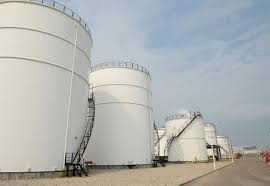
This report examines the feasibility of establishing a petroleum storage tank farm in Nigeria. The Nigerian petroleum sector presents a significant opportunity due to rising fuel demand, growing infrastructure projects, and a strategic location for regional distribution. This study analyzes the market potential, operational considerations, and financial viability of building or acquiring a storage tank farm.
Nigeria's oil and gas sector is a key player in the global market, with significant production and distribution activities. The demand for petroleum storage facilities, including tank farms, is driven by the need to store crude oil, refined products, and petrochemicals for domestic consumption and export purpose.
Tank Farm Market in Nigeria
Due to Nigeria’s over reliance on import of petroleum products and the poor distribution infrastructure of product, the need for Bulk storage tanks and petroleum depots cannot be over – emphasized
Furthermore , the demand for tank farm and petroleum is growing on the back of the ever increasing petroleum traders
Statistics have it that there are over six thousand {6,000} independent petroleum products marketers and six {6} major marketers for distributing and marketing petroleum products across the country, this is also driven by the increase In demand for petroleum product
Current there are more than 30 tank farms in Apapa , Lagos state
Analysis of market demand includes projections for storage capacity utilization, demand from oil companies, trading firms, and logistics providers. Competition from existing tank farms, pricing dynamics, contractual agreements, and market trends are also assessed to determine market entry strategies.
The Nigerian petroleum market presents a compelling opportunity for a strategically located storage tank farm. Building or acquiring a facility can offer advantages in supply chain control and potential regional distribution capabilities. However, a detailed financial analysis is crucial to determine the optimal approach (building vs. acquiring) and assess project viability considering factors like construction costs, acquisition price, storage capacity needs, and projected ROI.
This report examines the feasibility of establishing a petroleum storage tank farm in Nigeria. The Nigerian petroleum sector presents a significant opportunity due to rising fuel demand, growing infrastructure projects, and a strategic location for regional distribution. This study analyzes the market potential, operational considerations, and financial viability of building or acquiring a storage tank farm.
Nigeria's oil and gas sector is a key player in the global market, with significant production and distribution activities. The demand for petroleum storage facilities, including tank farms, is driven by the need to store crude oil, refined products, and petrochemicals for domestic consumption and export purpose.
Tank Farm Market in Nigeria
Due to Nigeria’s over reliance on import of petroleum products and the poor distribution infrastructure of product, the need for Bulk storage tanks and petroleum depots cannot be over – emphasized
Furthermore , the demand for tank farm and petroleum is growing on the back of the ever increasing petroleum traders
Statistics have it that there are over six thousand {6,000} independent petroleum products marketers and six {6} major marketers for distributing and marketing petroleum products across the country, this is also driven by the increase In demand for petroleum product
Current there are more than 30 tank farms in Apapa , Lagos state
Analysis of market demand includes projections for storage capacity utilization, demand from oil companies, trading firms, and logistics providers. Competition from existing tank farms, pricing dynamics, contractual agreements, and market trends are also assessed to determine market entry strategies.
The Nigerian petroleum market presents a compelling opportunity for a strategically located storage tank farm. Building or acquiring a facility can offer advantages in supply chain control and potential regional distribution capabilities. However, a detailed financial analysis is crucial to determine the optimal approach (building vs. acquiring) and assess project viability considering factors like construction costs, acquisition price, storage capacity needs, and projected ROI.
Executive Summary
Introduction
2.1 Background of the Petroleum Industry in Nigeria
2.2 Purpose and Scope of the Feasibility Study
2.3 Objectives of the Study
Market Analysis
3.1 Overview of Nigeria's Oil and Gas Sector
3.2 Demand for Petroleum Storage Facilities
3.3 Market Trends and Opportunities
3.4 Competition Analysis
Investment Options
4.1 Building a New Tank Farm
4.1.1 Land Acquisition and Construction Costs
4.1.2 Regulatory Approvals and Environmental Impact Assessments
4.1.3 Operational Readiness
4.2 Acquiring an Existing Facility
4.2.1 Due Diligence Process
4.2.2 Financial Implications
Operational Considerations
5.1 Storage, Handling, and Distribution Operations
5.2 Tank Capacity Requirements
5.3 Safety Measures and Regulatory Compliance
5.4 Infrastructure Maintenance
Market Demand Analysis
6.1 Projections for Storage Capacity Utilization
6.2 Demand from Oil Companies, Trading Firms, and Logistics Providers
6.3 Pricing Dynamics and Contractual Agreements
Financial Projections
7.1 Investment Costs and Capital Expenditures
7.2 Operational Expenses and Revenue Projections
7.3 Cash Flow Analysis
7.4 Return on Investment (ROI) and Payback Period
7.5 Sensitivity Analysis
Risk Analysis
8.1 Identification of Potential Risks
8.2 Risk Mitigation Strategies
Conclusion and Recommendations
9.1 Summary of Findings
9.2 Investment Decision Recommendations
Appendices
10.1 Market Research Data
10.2 Environmental Impact Assessment Reports
10.3 Financial Models and Sensitivity Analysis
10.4 Regulatory Compliance Documentation
References
Introduction
2.1 Background of the Petroleum Industry in Nigeria
2.2 Purpose and Scope of the Feasibility Study
2.3 Objectives of the Study
Market Analysis
3.1 Overview of Nigeria's Oil and Gas Sector
3.2 Demand for Petroleum Storage Facilities
3.3 Market Trends and Opportunities
3.4 Competition Analysis
Investment Options
4.1 Building a New Tank Farm
4.1.1 Land Acquisition and Construction Costs
4.1.2 Regulatory Approvals and Environmental Impact Assessments
4.1.3 Operational Readiness
4.2 Acquiring an Existing Facility
4.2.1 Due Diligence Process
4.2.2 Financial Implications
Operational Considerations
5.1 Storage, Handling, and Distribution Operations
5.2 Tank Capacity Requirements
5.3 Safety Measures and Regulatory Compliance
5.4 Infrastructure Maintenance
Market Demand Analysis
6.1 Projections for Storage Capacity Utilization
6.2 Demand from Oil Companies, Trading Firms, and Logistics Providers
6.3 Pricing Dynamics and Contractual Agreements
Financial Projections
7.1 Investment Costs and Capital Expenditures
7.2 Operational Expenses and Revenue Projections
7.3 Cash Flow Analysis
7.4 Return on Investment (ROI) and Payback Period
7.5 Sensitivity Analysis
Risk Analysis
8.1 Identification of Potential Risks
8.2 Risk Mitigation Strategies
Conclusion and Recommendations
9.1 Summary of Findings
9.2 Investment Decision Recommendations
Appendices
10.1 Market Research Data
10.2 Environmental Impact Assessment Reports
10.3 Financial Models and Sensitivity Analysis
10.4 Regulatory Compliance Documentation
References
$220 (N300,000)
Get your conditional loan offer: admin@fundxperts.com
Contact: admin@fundxperts.com